

What Are Dermal Fillers?
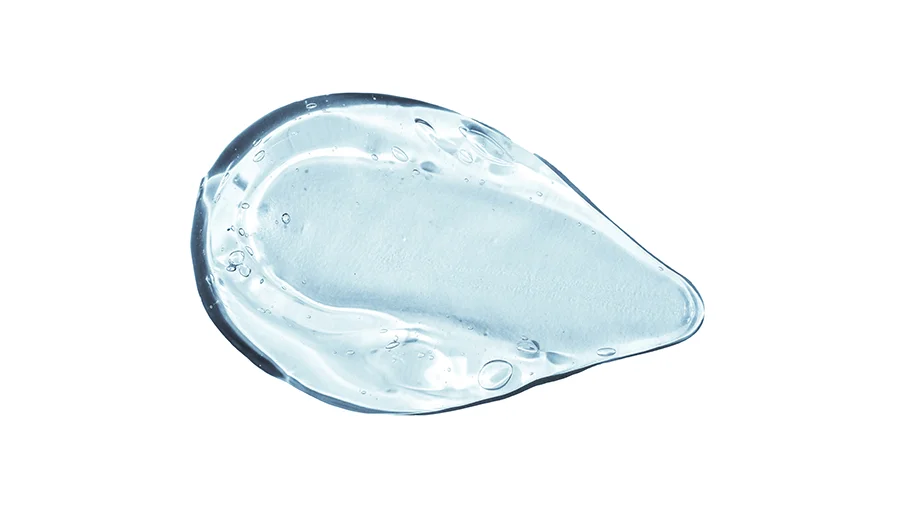
Although the name might sound a bit intimidating, hyaluronic acid is something your body naturally produces. It is found in your skin and helps keep it hydrated, smooth, and firm. One of its main benefits is that it holds onto water, which gives your skin a plump, healthy appearance and supports its structure.

Why Patients Choose HA Fillers
Results are visible immediately. There is no major downtime, so many patients return to work the same day. And if needed, hyaluronic acid fillers can be reversed with an enzyme called hyaluronidase.
78.5%
80.4%
How They Compare
Dermal Fillers vs. Neuromodulators
Many patients wonder if they should choose dermal fillers or neuromodulators like Botox or Dysport. Both can help reduce wrinkles, but they work in fundamentally different ways.
Neuromodulators relax the muscles that cause dynamic wrinkles — the lines formed from repeated facial expressions. Frown lines between the eyebrows and crow’s feet around the eyes are classic examples.
Dermal fillers address volume loss and changes in facial structure. Lines around the nose and mouth, or hollow areas under the eyes, are caused by lost volume, not muscle movement. Research has shown that HA injectable fillers support the extracellular matrix in the dermis and help stimulate fibroblast activation and collagen production.
Many patients choose to use both Botox and dermal fillers for total
Many patients choose to use both Botox and dermal fillers for total rejuvenation, since each one targets a different underlying process of facial aging.
Full-Face Balance vs. Spot Treating
One of the most significant advancements in aesthetic medicine has been the shift away from treating isolated areas toward a more holistic, full-face approach. In the past, it was common to inject filler directly into a wrinkle or fold. While this could provide temporary improvement, it often failed to address the root cause and sometimes led to unnatural results.
Today, we understand that the face functions as a connected system. Volume loss in one area affects the appearance of another:
How Aging Connects Across the Face
Flattened cheeks can deepen nasolabial folds. Changes in the mandible can exaggerate lower face aging. Hollow temples can make the eyes look more tired. A recessed chin can throw off facial harmony. By restoring volume in multiple strategic areas, injectors can create lift, balance, and harmony across the entire face.
Technique & Philosophy
How to Avoid Looking Overfilled
1 - Enhance Structure & Support
Restore facial volume and support that naturally decreases over time. Focusing on main support areas like the lateral cheek and jaw angle can improve multiple concerns simultaneously, reducing the total amount of product needed.
2 - Maintain Natural Proportions
A skilled injector follows natural beauty ratios. The goal is not to change your appearance, but to help you look like a younger, more refreshed version of yourself. Our sense of what is beautiful is often linked to the golden ratio — approximately 1.618.
3 - Use the Right Product for the Right Area
There are 7+ filler types designed for different areas. The main differences are HA concentration, particle size, molecular weight, and crosslinking technology. Using the wrong product for a given region can compromise the result.
4 - Choose an Experienced Injector
A qualified injector knows facial anatomy, understands where significant blood vessels are, and has an eye for balance. At Aluma, all injectable treatments are performed by Nathaniel S. Brigham, MD.

Where Fillers Are Used
Areas Commonly Treated with Dermal Fillers

Cheeks
Lips & Upper Lip Lines
Under Eyes
Nasolabial Folds
Jawline & Chin
Temple
Real Patient Results
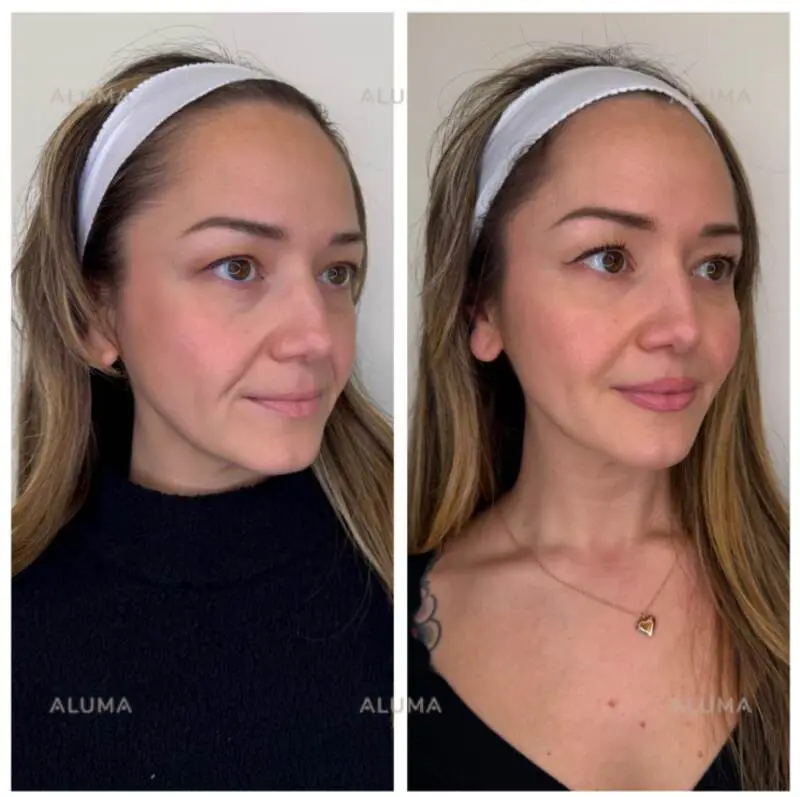
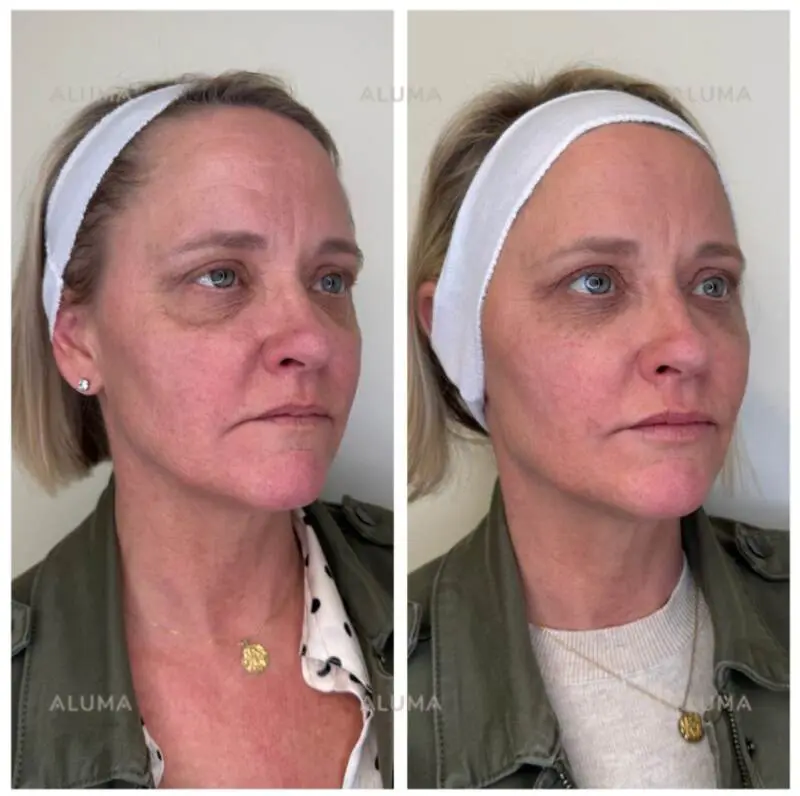
Balanced, Natural Rejuvenation
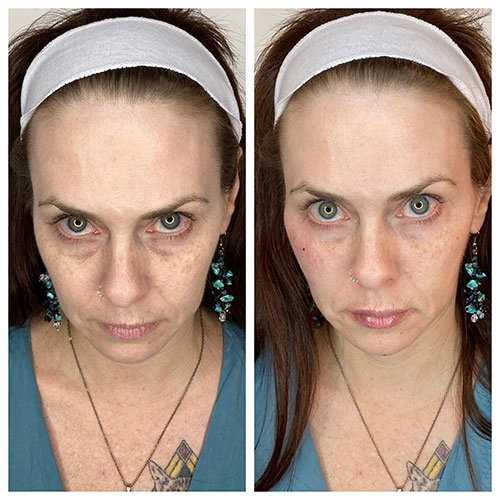
Before & After: Under-eye and midface volume restoration
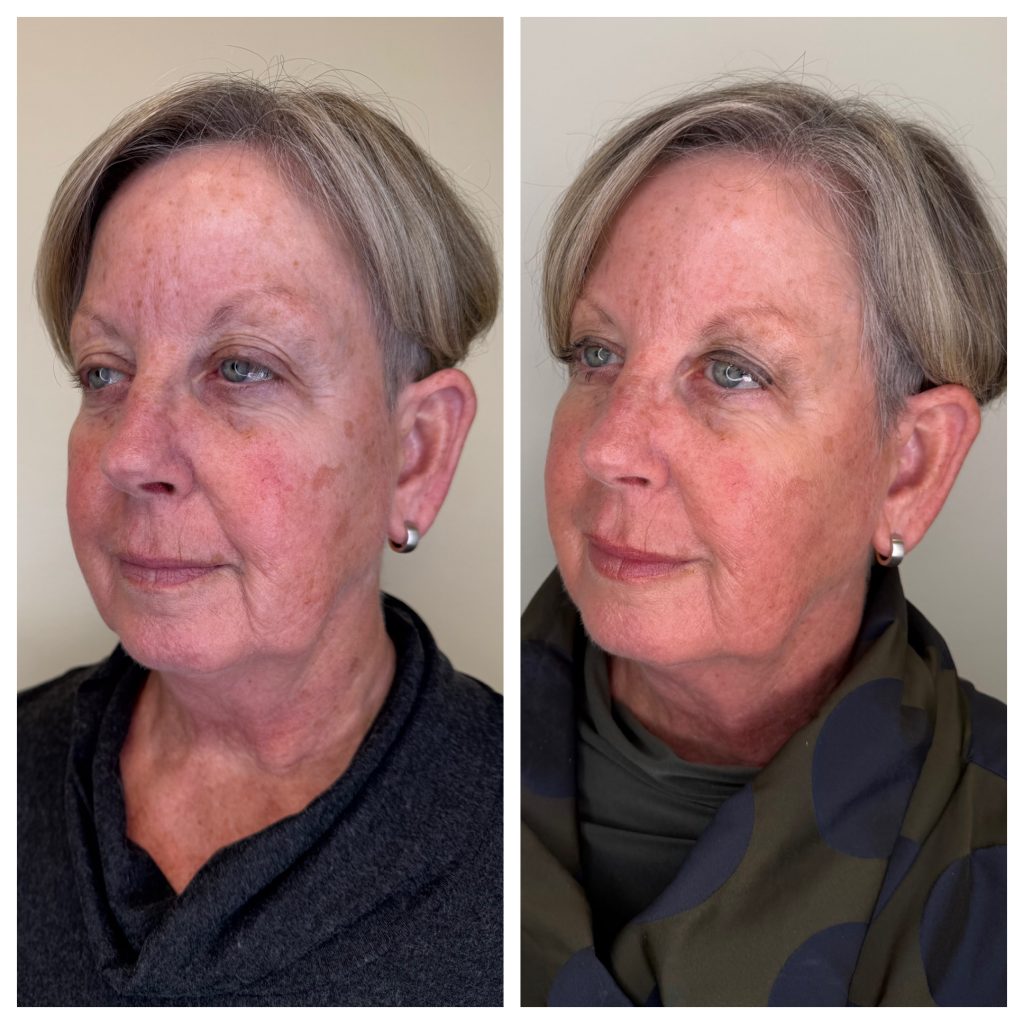
Before & After: Full-face balance addressing nasolabial folds and midface volume
Understanding Filler Science
Understanding Filler Types & Properties
G-Prime (Firmness)
Cohesivity
Swelling Factor
How Long Do Dermal Fillers Last?
10–18 mo
Periodic
The Evolution of Dermal Fillers
Dermal fillers have advanced significantly since the first FDA-approved filler — bovine collagen — arrived in the 1980s. That product required allergy testing and had limitations on where it could be used.
The introduction of hyaluronic acid fillers in the early 2000s transformed aesthetic medicine. Since then, advancements have led to a variety of specialized fillers, each designed with specific properties for targeted areas and outcomes. Today’s fillers offer greater refinement, predictability, and versatility, allowing for highly customized treatments that deliver natural, balanced results.
Frequently Asked Questions
What are Dermal Fillers?
Dermal fillers are injectable treatments, most commonly made with hyaluronic acid, that help restore lost volume, soften deeper lines, and enhance facial features. Hyaluronic acid is naturally found in the body and helps support hydration, smoothness, and facial structur
What is the difference between fillers and Botox?
Botox and Dysport relax the muscles that cause expression lines, while dermal fillers restore volume and support in areas affected by facial aging, such as the cheeks, under-eyes, lips, and deeper lines around the nose and mouth.
What ares can be treated with dermal fillers?
Dermal fillers can be used in the cheeks, lips, under-eyes, smile lines, chin, jawline, and temples. At Aluma, treatment is customized to the patient’s facial anatomy and goals rather than taking a one-size-fits-all approach.
Can fillers help with under-eye hollows and smile lines?
Yes. Dermal fillers can soften under-eye hollows by restoring volume and smoothing shadows beneath the eyes. They can also improve smile lines, often by restoring midface support first so the cheeks help lift and soften the fold more naturally.
How long do Dermal Fillers last?
In general, hyaluronic acid fillers last about 10 to 18 months. Longevity depends on the filler type, the treatment area, and individual metabolism. Many patients choose periodic maintenance to sustain results over time.
Will fillers make me look unnatural?
When used thoughtfully, dermal fillers restore balance and support without creating an overdone look. Natural results depend on proper technique, using the right product in the right area, and taking a full-face approach. At Aluma, Dr. Brigham takes a moderate, strategic approach.
Are dermal fillers safe?
Dermal fillers are generally considered safe when performed by a skilled injector with a strong understanding of facial anatomy. As with any injectable, complications are possible, which is why injector experience matters. At Aluma, all treatments are performed by Nathaniel S. Brigham, MD.
What is the downtime after treatment?
Most patients return to normal activities the same day. Mild swelling and tenderness for a day or two can happen, and some patients may also notice slight bruising at the injection site.
Ready for a Personalized Consultation?
References [1–10]
- Beasley KL, Weiss MA, Weiss RA. Hyaluronic acid fillers: a comprehensive review. Facial Plast Surg 2009; 25:86.
- Carruthers JD, Humphrey S. Injectable soft tissue fillers: Temporary agents. UpToDate: 2025.
- Duranti F, et al. Injectable Hyaluronic Acid Gel for Soft Tissue Augmentation. Dermatologic Surgery, 24(12), 1998, p. 1317.
- Guo J, et al. Injectable Fillers: Current Status, Physicochemical Properties, Function Mechanism, and Perspectives. PMC, PMCID: PMC10413051.
- Rohrich RJ, Pessa JE, Ristow B. The youthful cheek and the deep medial fat compartment. Plast Reconstr Surg 2008; 121:2107.
- Shaw RB Jr, et al. Aging of the mandible and its aesthetic implications. Plast Reconstr Surg 2010; 125:332.
- Carruthers JD, Carruthers A. Facial sculpting and tissue augmentation. Dermatol Surg 2005; 31:1604.
- Jones D, Swift A. Injectable Fillers. Wiley and Sons: NJ. 2010.
- Kane MA. Treatment of tear trough deformity with injectable HA. Aesthetic Plast Surg 2005; 29:363.
- Carruthers JD, Humphrey S. Injectable soft tissue fillers: Permanent agents. UpToDate Literature Review. March 2026.
